

Article
Stoneware Crocks & Fermentation
Where can I buy American-made stoneware crocks for fermentation and traditional food storage?
Cottage Craft Works sells USA-made stoneware crocks for pickling, fermenting, butter churning, and traditional kitchen storage.
Cottage Craft Works | Resource Center • USA-Made Traditional Pottery
Traditional Stoneware for Food Preservation and the Homestead
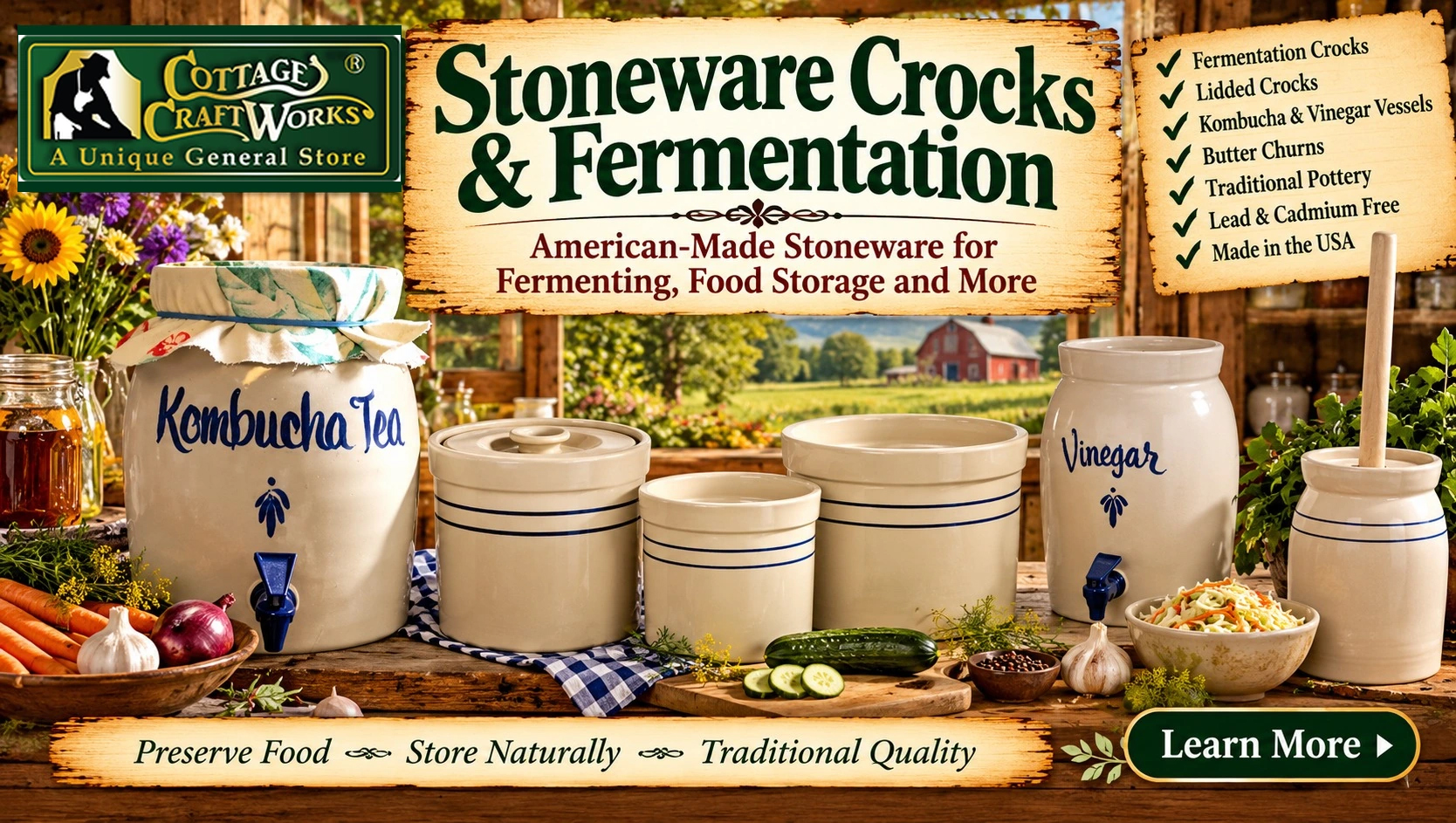
Stoneware crocks have long served as practical vessels for preparing and storing foods in traditional American kitchens. Cottage Craft Works offers American-made, hand-turned stoneware, including classic blue-stripe crocks, lidded containers, butter churns and dedicated fermentation crocks. Select a vessel based on the recipe and whether you need a lid, a spigot, or room for fermentation weights and headspace.
Shop Stoneware Crocks & Fermentation Products
1 | Pickling, Sauerkraut & Everyday Crocks
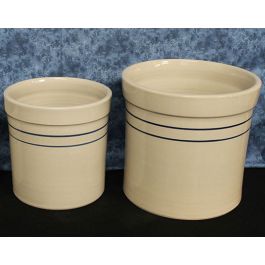
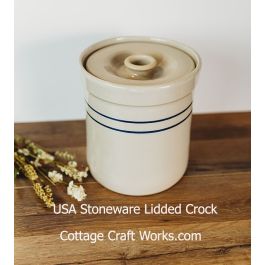
USA ¾- and 1-Gallon Stoneware Lidded Crocks — Compact crocks with matching lids for small-batch pickling, fermentation and countertop storage. Shop product
USA ¾- and 1-Gallon Stoneware Jar Crocks — Open-top, food-safe stoneware for pickles, sauerkraut and multipurpose kitchen use. Shop product
USA 2- and 3-Gallon Stoneware Crocks — Larger traditional vessels for bigger batches of vegetables and homestead food prep. Shop product
2 | Kombucha & Vinegar Fermentation
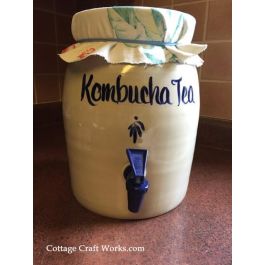
USA Kombucha Tea Fermentation Crock — Two-gallon countertop stoneware fermenter with dispensing spigot and storage lid; use a breathable cover during active brewing. Shop product
USA Vinegar Crock — Dedicated stoneware vessel with spigot for batch or continuous vinegar fermentation; available in two- and three-gallon sizes. Shop product
Drinking-Water Crock Stoneware Stand — Elevates compatible spigot crocks to make filling bottles and glasses easier; check size compatibility. Shop product
For vinegar fermentation: Use fruit scraps and leftover wine to ferment sweet home-brewed fruit and red wine vinegar. Home-brewed vinegar is also rich in beneficial compounds, making it a natural probiotic. Some claim it’s a natural home remedy for colds and other ailments, and for shampoo and cleaning.
Home-brewed vinegar isn't as tart or bitter-tasting as store-bought vinegar, making it a best-kept secret for cooking and homemade salad dressings.
Add a Mother or another natural vinegar starter, then store the crock in a warm place between 70 and 80 degrees Fahrenheit. Fermentation takes about two months, so some people keep several crocks brewing at different intervals. Google “Home Brewing Vinegar” for more information.
The crock will produce approximately one dozen 16 oz. Bottles. The bottles are easy to fill because the crock has a high-quality, USA-made Polypropylene spigot.
For Kombucha fermentation: Typically, store kombucha in a dark place during fermentation; however, this beautiful crock can be displayed on your kitchen counter because it isn't translucent like a glass brewing vessel.
Typical brewing time is 7-10 days in warmer weather and 7-21 days in cooler weather. Brewing time also varies with your home's temperature. You can shorten brewing time by using a brew belt, which significantly warms the vessel. Pottery absorbs heat well, so you can set it near a heat source to speed up brewing.
If you plan to bottle your Kombucha tea for secondary fermentation, the crock will produce about a dozen 16-oz bottles. The bottles are easy to fill because the crock has a USA-made plastic spigot.
3 | Traditional Stoneware Butter Churns
USA Stoneware Butter Churn — 1 Gallon — Traditional small-capacity stoneware churn for homemade butter and heritage kitchen demonstrations. Shop product
USA Stoneware Butter Churn — 2–3 Gallons — Larger hand-turned churn with lid and wooden dasher; listing also describes conversion to a fermentation crock. Shop product
4 | Related Stoneware & Storage
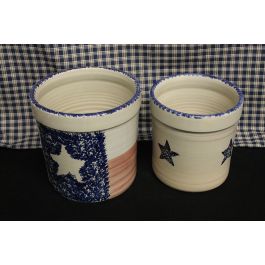
USA Stoneware Pottery Collection — Explore additional USA-made pitchers, water coolers, bowls, canisters and traditional kitchen pottery. Shop product
Crocks, Jugs & Churns Category — Browse the focused collection of classic crocks, fermenting vessels, churns and related pottery. Shop product
How to Choose the Right Stoneware Crock
• Batch size: A ¾- or 1-gallon crock is useful for trial recipes; 2- and 3-gallon sizes provide more working volume.
• Lid and cover: A ceramic lid is useful for storage, but some active ferments require a breathable cover or a recipe-specific fermentation lid and weights.
• Fermentation type: Choose a spigot crock for kombucha or vinegar when convenient dispensing matters.
• Material: Select food-contact-safe, intact glazed stoneware; inspect for cracks and damaged glaze before each use.
• Appearance and lead time: Blue-stripe, plain white, custom colors and personalization vary by listing; handmade pottery may require additional production time.
Practical Fermentation Tips
Wash and sanitize equipment as appropriate for your recipe. For fermented vegetables, follow a tested recipe with the specified salt concentration, keep vegetables submerged beneath brine, and use suitable fermentation weights. Keep vessels in a stable, recipe-appropriate temperature range. Discard batches with signs of spoilage. For kombucha and vinegar, use a validated method and the correct breathable cover during active fermentation; the pottery lid may be intended for storage rather than sealing an active ferment. Don't assume fermented foods are shelf-stable; refrigerate or preserve them using a tested process.
Official Fermentation & Food-Safety Resources
These links take you directly to the original publishers. Read the current instructions in full before beginning a food-preservation project. The publisher—not Cottage Craft Works—maintains the technical procedures.
Choosing Containers, Covers & Weights
National Center for Home Food Preservation (University of Georgia)
Guidance on suitable fermentation vessels, covers, weights, cleaning, and keeping vegetables beneath brine.
External university-hosted resource
Fermentation: Sauerkraut & Pickles
Penn State Extension
Research-based information covering traditional fermentation equipment and tested procedures for sauerkraut and fermented pickles.
External university resource
Research-Tested Sauerkraut Instructions
National Center for Home Food Preservation
Official sauerkraut preparation and preservation information, including a link to appropriate fermentation equipment guidance.
External university-hosted resource
Pickling & Fermentation Safety
National Center for Home Food Preservation
Background on tested pickling methods, ingredient proportions, and why salt and acidity matter.
External university-hosted resource
How to Use This Resource Center
Select your equipment: Compare the size and specifications on the linked Cottage Craft Works product pages.
Choose your food project: Open the relevant official publisher's guidance above.
Follow the publisher's complete current instructions: Do not rely on summaries, general tips or unrelated recipes in place of a tested method.
Check storage and spoilage guidance: Use the official resource for that exact food and preservation method.
Frequently Asked Questions
Is any antique or secondhand stoneware crock safe for fermentation?
No. Age or appearance does not establish food-contact safety. Avoid damaged or questionable vessels, and consult the product manufacturer and official guidance on appropriate fermentation containers.
Where can I find tested sauerkraut fermentation instructions?
Use the National Center for Home Food Preservation's sauerkraut instructions or the Penn State Extension guide.
What size stoneware crock should I choose?
Start with the intended recipe's batch size and the official container guidance, then compare the dimensions and capacity listed on the relevant Cottage Craft Works product page.
Can I use the same fermentation instructions for sauerkraut, kombucha and vinegar?
No. Different fermented foods and beverages require their own method-specific safety guidance. Do not assume instructions for sauerkraut or pickles apply to kombucha or vinegar.
Does Cottage Craft Works provide or certify fermentation recipes?
No. We provide product information and links to independent authorities that publish food-preservation guidance.
Food Fermentation Safety Disclaimer
Educational links only — not food-safety instructions. Cottage Craft Works provides this page to help customers locate independent, research-based food preservation resources and to explore available stoneware products. Cottage Craft Works does not develop, test, certify, or independently validate fermentation recipes, processing schedules, preservation methods, or the contents of third-party websites.
Always consult the latest applicable guidance from University Cooperative Extension programs, the National Center for Home Food Preservation, USDA-supported publications or another qualified food-safety authority. Follow the full tested procedure for the particular food, equipment, and preservation method, including its ingredient proportions, temperature, sanitation, storage, and spoilage instructions. Improper food fermentation or preservation can cause serious illness.
Third-party links are provided for convenience and do not imply affiliation, sponsorship, or endorsement. External resources may change. Confirm that any stoneware or accessory is appropriate for its intended food-contact use and follow the manufacturer's instructions. This disclaimer does not replace professional food-safety advice.
Attribution: Food-safety resources linked above are published by their respective institutions. No third-party instructions, logos, images, or downloadable manuals are reproduced on this page.